
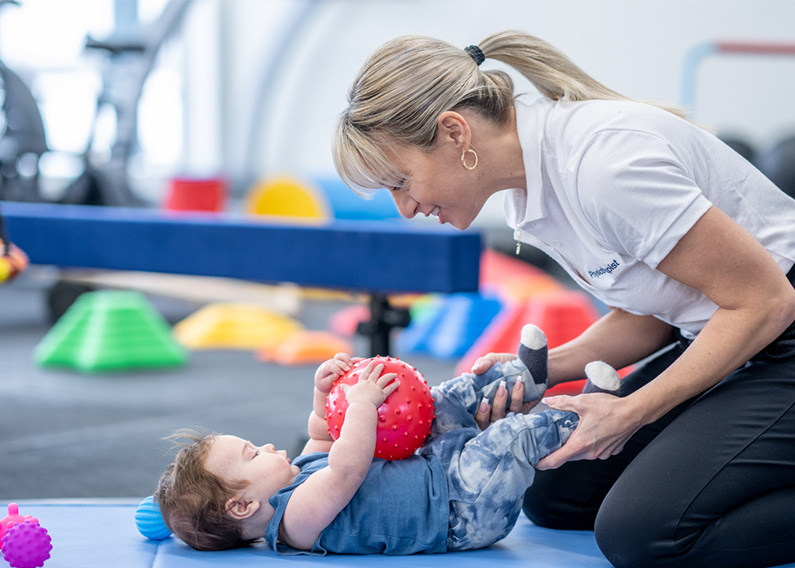
For a lot of parents, it can be hard to see their child struggle with speech, conduct, or social skills. Finding the appropriate help can change your child’s life, whether they have autism, speech issues, or trouble with their motor skills. Center-based therapy gives your child a structured atmosphere that helps them grow and gives them the tools they need to do well. The goal of this kind of therapy is to assist kids learn important skills while also encouraging them to be independent and confident.
Why Structure is Key for Your Child’s Growth
A disciplined environment can make the difference between making progress and staying still. Center-based therapy makes sure that everything, from the schedule to the activities, is meticulously prepared to help your kid grow. This structure helps your child focus on what’s most important without the distractions of everyday living at home.
Kids in a therapy facility have a set schedule that makes them feel safe and comfortable. The routine helps individuals stay focused and lowers their stress and anxiety levels. Kids know precisely what to expect, so they can jump right into learning and building skills without worrying or being scared.
What Makes the Therapy Center Different
Therapy centers are made to help kids grow, especially those who have trouble developing normally. These areas have the proper tools and resources to help with a wide range of needs, from speech development to fine motor abilities. More importantly, treatment facilities give you a level of focus and attention that is hard to find at home.
For instance, when kids go to therapy at a facility, they don’t have to worry about the TV, their siblings, or tasks around the house. The setting is meant to keep youngsters focused and interested in their therapy, which helps them get better results. There is also specialized equipment available, such as sensory toys, communication aids, and motor tools, to make sure that each kid gets the help they need.
Why a Multidisciplinary Approach Works Wonders
At a therapy center, your child isn’t just seeing one therapist; they benefit from the expertise of a whole team. From speech therapists to occupational therapists to behavior analysts, each professional works together to create a plan that addresses every aspect of your child’s development.
This multidisciplinary approach means that all of your child’s needs are being met simultaneously. While one therapist focuses on communication skills, another works on sensory processing, and another addresses behavior and emotional regulation. All of these areas are interconnected, so progress in one part of your child’s life often supports growth in another.
How Kids Benefit from Peer Interactions
Children naturally learn from their peers, and center-based therapy creates plenty of opportunities for this type of social learning. Whether it’s through group play, structured activities, or even shared break times, children can engage with others and practice vital social skills like taking turns, sharing, and communicating.
Having the chance to interact with other children facing similar challenges can also help your child feel more comfortable and confident in social settings. Therapy centers foster a sense of community, where kids learn not only from their therapists but also from one another.
Tracking Progress with Real Results
In a therapy center, your child’s progress is consistently monitored. Each session is carefully documented, with data collected to track improvements and identify areas where more support is needed. This approach ensures that therapy is always evolving, with strategies adjusted as necessary to help your child continue making strides toward their goals.
Setting clear, achievable goals is another key part of center-based therapy. Every child is different, and therapy plans are tailored to fit your child’s unique developmental profile. Whether the goal is to improve speech clarity, master a fine motor task, or regulate emotions, therapy centers focus on making sure progress is measurable and visible.
A Supportive Environment for Parents
As a parent, being involved in your child’s progress is crucial. Center-based therapy encourages parents to be an active part of the journey, offering opportunities for coaching, feedback, and support. Therapists collaborate with parents to ensure that strategies are used consistently both at the therapy center and at home.
Parents receive guidance on how to reinforce skills learned in therapy during daily routines, creating continuity in the child’s progress. This collaborative approach between parents and therapists is key to achieving lasting success.
The Path Forward: Confidence and Growth
When your child is in a structured therapy center, they’re not just learning skills; they’re gaining confidence, independence, and the tools they need to succeed in life. Every therapy session is designed with your child’s development in mind, ensuring that they not only achieve immediate goals but also build a strong foundation for the future.
By focusing on structure, social interaction, and expert support, center-based therapy sets the stage for a brighter tomorrow. It gives children the space to grow, the resources to thrive, and the encouragement to believe in their potential.
Conclusion: A Bright Future Awaits
Center-based therapy offers a structured and supportive environment where your child can build lasting skills and make meaningful progress. Whether it’s improving communication, mastering fine motor skills, or developing social confidence, a dedicated therapy center provides the focused care children need to succeed. Kids Connect offers a space where every child can achieve their full potential in a supportive, goal-driven environment.