
Every child has a story to tell, but not every child can tell it the same way. It can be hard for some people to discover their voice. These hurdles can keep a youngster from completely engaging with the world around them, whether they have trouble saying words, understanding language, or making friends in social situations.
Speech therapy is the key that helps kids talk to each other. It gives them the tools they need to say what they want, how they feel, and what they need with confidence. It’s not just about teaching kids language; it’s also about giving them the tools they need to interact with others, comprehend, and be understood, and do well in their daily lives.
What is Speech Therapy?
The main goal of speech therapy is to help people talk to each other better. But it’s not enough to merely say the right things; you also need to learn how to communicate well in any setting. Speech therapy helps with a wide range of speech and language problems, from the first words a kid says to their capacity to interpret complicated phrases.
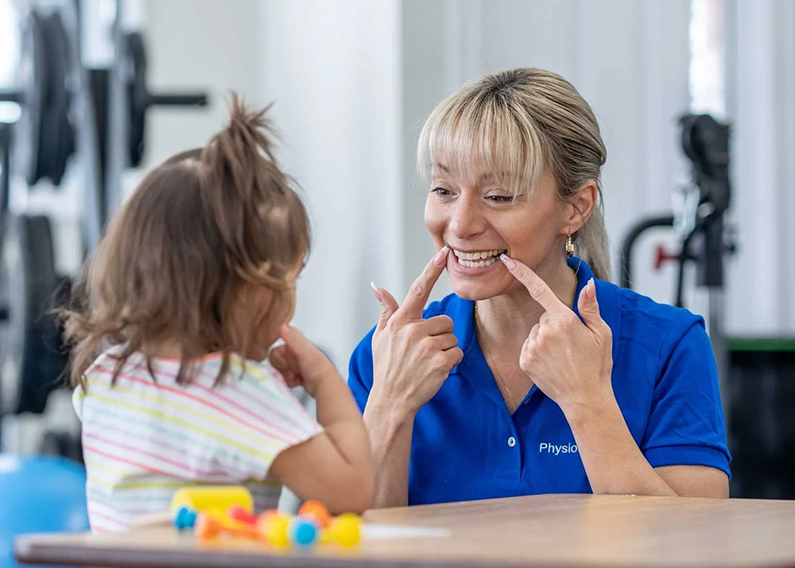
For some kids, it’s about articulation: helping them say sounds clearly so that other people can understand them. For other people, it might mean enhancing their understanding of language, which could mean helping them understand what people are saying, follow directions, or figure out what’s going on around them. Speech therapy helps kids who have trouble with social communication learn how to talk to other people, how to initiate a conversation, how to take turns, and how to read body language and facial emotions.
The Benefits of Speech Therapy for Your Child
The impact of speech therapy goes beyond simply improving how a child speaks. It can profoundly affect their poise, social interactions, and overall development.
1. Boosts Self-confidence
A child who struggles to communicate may start to feel frustrated or self-conscious. With the help of speech therapy, these struggles can be turned into successes. As children make progress and gain more control over their speech and language, their self-confidence grows. The ability to express themselves clearly boosts their self-esteem and helps them feel more comfortable engaging with others.
2. Improves Social Interactions
Children who have difficulty with communication often face challenges in social situations. They may have trouble making friends or participating in group activities because they struggle to communicate effectively. Speech therapy teaches children the skills needed to succeed in social interactions, from learning how to start a conversation to understanding the social rules of communication. This not only helps them connect with others but also builds the foundation for stronger relationships.
3. Upgrades Academic Performance
Clear communication is essential for learning. A child who has trouble understanding instructions or expressing their thoughts may fall behind in school. Speech therapy improves both receptive (understanding) and expressive (speaking) language skills, helping children succeed academically. It enables them to follow directions, participate in classroom discussions, and comprehend lessons with greater ease.
4. Fosters Emotional Well-Being
When children struggle to communicate, it can lead to feelings of frustration, confusion, and even isolation. By helping them improve their communication skills, speech therapy reduces these emotional challenges, empowering children to express themselves in a healthy and productive way. As their communication abilities grow, so does their ability to navigate the world with greater emotional resilience.
5. Supports Long-Term Growth
Speech therapy isn’t just about fixing immediate communication barriers; it’s about setting children up for long-term success. As they develop their communication skills, they’ll carry these lessons with them throughout their lives. The tools they gain in speech therapy can help them excel in social, academic, and even career settings as they grow older.
What to Expect During Speech Therapy
If you’re considering speech therapy for your child, you may be wondering what the process looks like. Here’s a glimpse into what you can expect:
- Personalized Approach: Speech therapy is not a one-size-fits-all service. Each child has their own unique strengths, challenges, and needs. That’s why speech therapists take the time to develop a personalized therapy plan that’s tailored to your child’s specific communication goals.
- Engaging Sessions: Speech therapy should be fun and interactive! Therapists use games, stories, songs, and other creative activities to keep children engaged while working on their skills. This approach not only makes learning enjoyable but also helps children stay motivated throughout their therapy.
- Parental Involvement: Parents and caregivers play an important role in speech therapy. Therapists will provide strategies and exercises that can be practiced at home, reinforcing the skills learned during therapy sessions and ensuring that progress continues outside of therapy.
- Ongoing Evaluation: Progress is carefully monitored, and therapy plans are adjusted as needed to ensure that your child is continually advancing. Speech therapy is a dynamic process that evolves based on your child’s changing needs.
Types of Communication Challenges Speech Therapy Can Address
Speech therapy can help children with a wide variety of communication challenges. Some of the most common areas addressed include:
- Speech Delays: Some children take longer to develop speech skills than their peers. Speech therapy provides the support needed to help them catch up.
- Articulation Disorders: Children who have trouble pronouncing words clearly may benefit from speech therapy that focuses on improving their articulation.
- Language Delays: Some children struggle to understand or use language. Speech therapy helps improve both comprehension and expression.
- Social Communication Challenges: Children with autism or social communication difficulties may need help with conversation skills, such as turn-taking and interpreting non-verbal cues.
- Stuttering: Speech therapy can help children who stutter by teaching strategies to manage their speech patterns.
How to Get Started
The next step is to identify a qualified therapist who can help your child if you think speech therapy would be good for them. Find a therapist who has worked with kids before and has helped kids with communication problems in the past.
The therapist usually starts by doing an evaluation, which is when they look at your child’s communication skills and figure out what they need to work on. From there, a therapy plan is made just for your child to meet their specific needs.
Conclusion
Speech therapy helps kids find their voice as well as enhance their speech. It’s about giving kids the skills they need to talk to people with confidence, make friends, and do well in all areas of their lives. With the correct help, kids can get past communication problems and do well in school and in their personal lives.
At Kids Connect, we promise to give kids the best speech therapy possible. This will help them find their voice, improve their social skills, and get the confidence they need to do well. Let’s work together to assist your youngster in talking to the people and things around them.